

 01
01
Clinician-led, not marketer-led
A person, not an app, confirms what is going on and decides what comes next. The score's only job is to get the right people in front of that clinician in time.
Decades of research link everyday exposures to chronic disease. The Exposure Health Score turns that science into one number — and routes people to care before the damage becomes permanent.
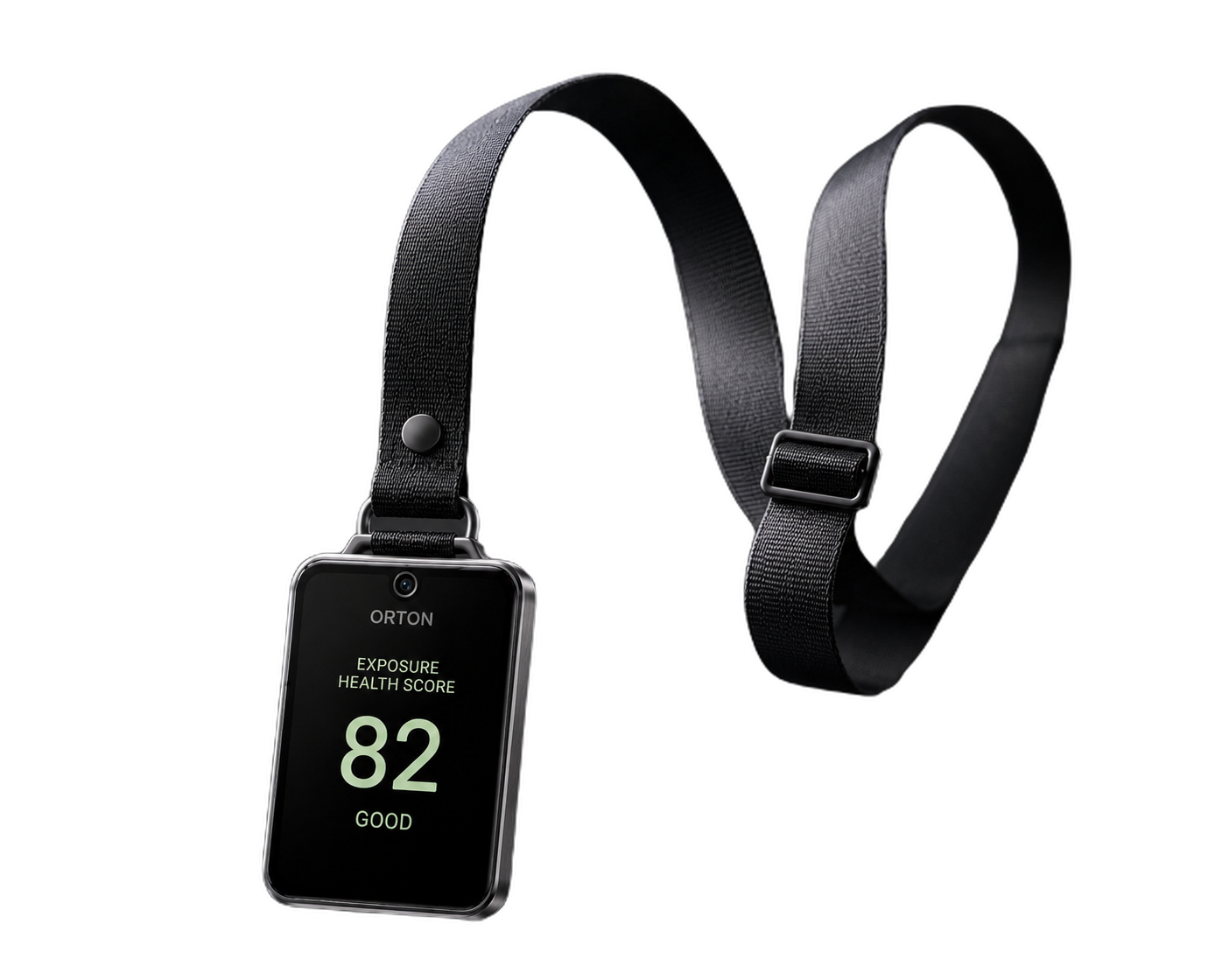
The Exposure Health Score does not diagnose. It flags and routes — and every consequential decision is confirmed by a clinician.
01
A person, not an app, confirms what is going on and decides what comes next. The score's only job is to get the right people in front of that clinician in time.
 02
02
Built from validated instruments — ATS respiratory, Nordic skin, Q16 neurotoxicity, Agricultural Health Study — and re-checked every year by an independent board of doctors and scientists.
 03
03
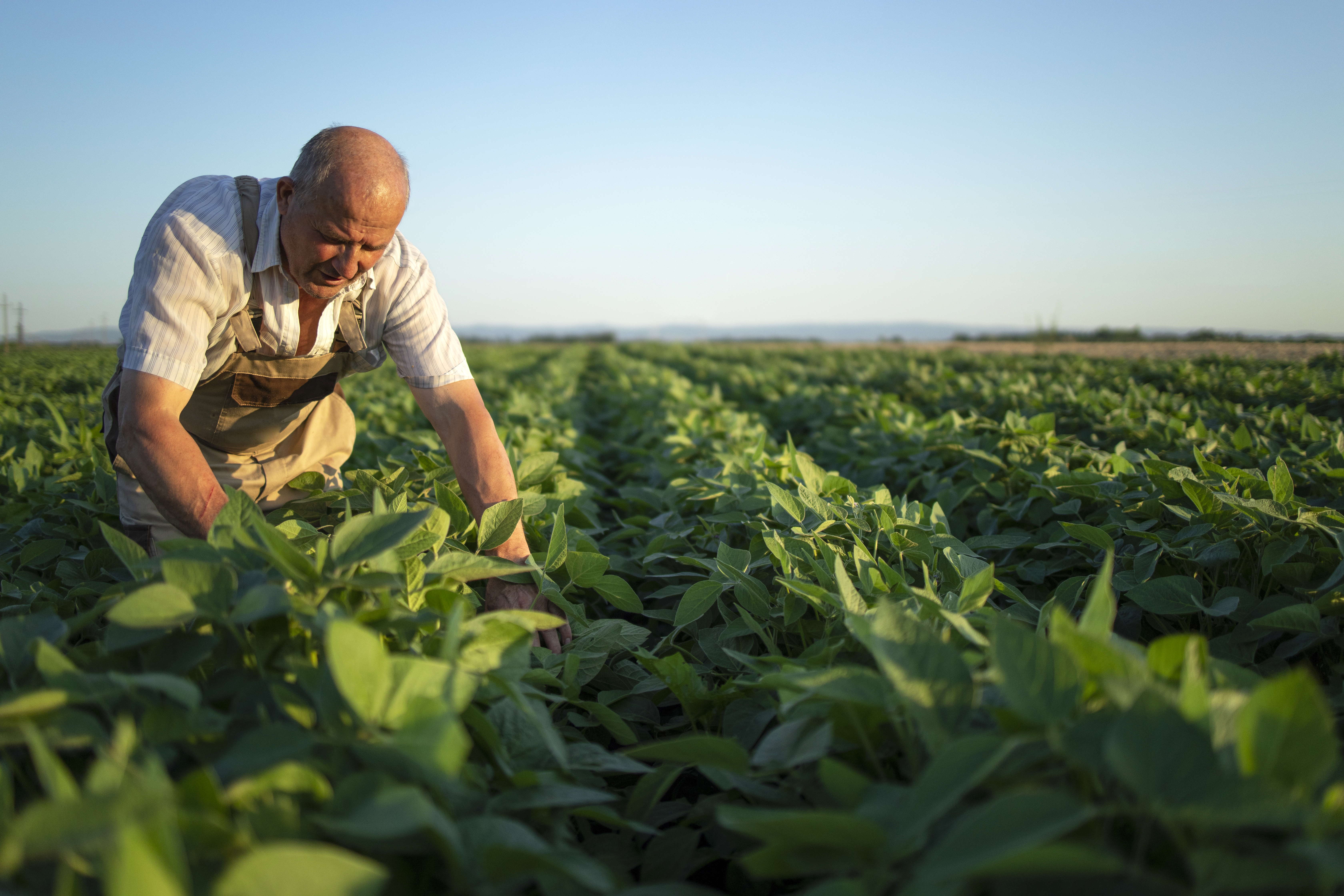
Designed to reach people who never pass through an occupational clinic — farmers, miners, factory and field workers, on WhatsApp, in three minutes, with no clinic.
Exposure is part of living and working. Pesticides protect crops. Sunlight keeps us healthy. Metals and solvents build daily life. The problem is not exposure itself — it is what happens when it builds up, unmeasured, over years.
By the time it reaches a clinic, it is often too late to reverse. Conventional health screening was built around a specific profile: older, heavier, sedentary, a smoker. It works for that profile. It misses the exposed worker who does not fit it.
A lean, active, never-smoking farmer reads as low-risk on the conventional model — precisely because that model was built on someone he is not.”
In 354 rice farmers, heat stress carried the signal (adjusted prevalence ratio 1.41, 95% CI 1.01–1.95). No personal or lifestyle characteristic — not obesity, smoking, alcohol, or diet — was significantly associated. The conventional model looked in the wrong place.
Among 485 workers, charcoal workers had higher pulse pressure and more isolated systolic hypertension than farmers — despite being young, lean, and physically active. Exposure was not only predicting disease; it was associated with a particular form of it.
Respiratory symptoms appeared in ~30% of people while diagnosed COPD was ~2%. The conventional respiratory screen — tuned to the smoker — routed the never-smoking, biomass-exposed patient past the test that would find their disease.
All three are cross-sectional studies. They show association and point to where evaluation is warranted — not that exposure is the sole cause. The lesson for screening is the same in every case: a clean conventional profile is not reassuring in a heavily exposed person.
The heaviest burden falls on people who live and work near mines, farms, and factories — in heavy traffic and cooking smoke, handling chemicals day to day. These are the people most standard health programs were never built to reach.
Think of the Exposure Health Score as a smoke detector for the body.
Most exposures are useful — but they can build up unnoticed and worsen disease. The score senses that build-up, weighs it against your usual health risks, and sounds the alarm before disease sets in.
Measures cumulative exposure on its own — the part the usual check-up almost never captures.
No age, weight, or lifestyle factors enter it. One clean number for one thing, built from five categories:
Measures the usual health factors any clinician would weigh.
Broad and shallow — enough to route, not a full clinical workup:
What the two inputs produce together. A single number from 0 to 100. Higher is healthier — and neither input can cancel the other out.
If a clean conventional profile could pull a high exposure burden toward the middle, the score would rebuild the exact under-ranking the Indonesia and Congo studies document. It does not.
The Exposure Burden Score is built from the five categories that carry the strongest documented links to disease.
The colour is the part that matters most — a signal to act, not a verdict. A person, not an app, confirms what is going on and decides what comes next.
The person sees one number and a colour — no disease label, no sub-scores. As easy to read as a sleep score. “Your Exposure Health Score is 38. Red. We recommend evaluation.”
The clinician sees the anatomy: the Exposure Burden Score and Conventional Risk Score side by side, plus the drivers and the body systems they most affect. Every differential is phrased “to consider” — never “indicates.”
Yes — because the exposure doesn't end at diagnosis. A farmer found to have hypertension is still farming; a quarry worker with lung disease is still in the dust.
For a high-burden patient, the exposure context joins the care plan: exposure reduction where possible, earlier surveillance, closer follow-up. Not a claim that exposure caused the disease — a recognition that it is still part of the picture.
The score does not diagnose. It flags and routes — and a clinician confirms every consequential decision.
It is built from validated instruments — the ATS respiratory questionnaire, the Nordic Occupational Skin Questionnaire, the Q16 neurotoxicity questionnaire, and the Agricultural Health Study cohort instruments — on proven models (the Comprehensive Geriatric Assessment and PROMIS). An independent board of doctors and scientists re-validates the algorithm, thresholds, and categories every year.
No. It is a patient-completed early-warning measure — designed to reach people who never pass through an occupational clinic and route them to confirmation before the window closes.
It is not a diagnosis. It is not a lab test. It does not replace a clinician. The evidence underneath it is associational, not causal. Its role is to make sure the right people reach that clinician in time.
Every Exposure Score rests on decades of peer-reviewed research across occupational and pollution burden, exposure under-ranking, and specific exposure–disease links: